Why Your Local Service Business Needs a Better Reputation Strategy in 2026
In small cities and towns like Alexandria and Paynesville Minnesota, word-of-mouth has always been the heartbeat of business. You know your neighbors, they know you, and a handshake has traditionally been your best marketing tool.
But in 2026, word-of-mouth has moved online. Before a local customer walks into your shop or hires your service, they are checking Google to see what their friends and neighbors have to say about you. If your business isn't showing up with a strong, active reputation, you are losing customers before they even reach your door.
The Battle for Trust: "AI-First" Automation vs. The Human-First Approach
In 2026, many small businesses are told they need "total AI automation" to win. But there is a massive difference between robotic AI automation and human-first automation systems. Let’s look at how two flooring contractor specialists handle their reputation differently.
The "AI-First" Specialist (The Cold Approach) This contractor uses a "set it and forget it" AI tool. The moment the job is marked as "done" in their software, an automated, generic text or email message hits the customer’s phone. It feels rushed and transactional—like a marketing bot, not a professional follow up.
The Result: The customer, who just had a great personal experience with the contractor, feels like an automated number in a database. They ignore the rushed request, and the contractor has no control over the process. The AI tries to do the work, but it lacks the human touch and knowledge required to turn a happy customer into an advocate.
The "Human-First" Specialist (The Relationship Approach) Sarah takes a different path. She uses a weekly system to support her relationships, not replace them. At the final walkthrough, she hands the customer a physical, professional card. It’s a moment of connection: she thanks them, asks how they love the new floors, and explains that her business is built on trust.
Before Sarah implemented the human-first approach, her business felt like a revolving door of projects. She was delivering top-tier work, but she was exhausted by the "review chase." Every Friday, she spent two hours manually emailing clients, most of whom had already moved on or never saw the message. Her open rates were dismal, and the few reviews she did get felt forced and generic. She was essentially paying for a high-end reputation, but her online profile looked like that of a hobbyist.
The frustration wasn't just about the numbers; it was about the lack of connection. Sarah realized that by treating her follow-up as a robotic task, she was inadvertently insulting the very customers she had just impressed. When she shifted to a system that integrated her physical workflow—the handshake, the business card, and the high-touch, gentle, weekly nudge—everything changed. She stopped being a "contractor who sends automated spam" and became a "local professional who values a lasting relationship." This shift in mindset didn't just double her reviews; it turned her happy clients into local advocates who now proactively recommend her to their own neighbors.
When the customer leaves, Sarah adds them to her human-first review management system. If a review doesn't come in, she doesn't rely on a pushy, intrusive bot. Her system intelligently manages a gentle, high-quality weekly follow-up workflow that respects the customer's time and keeps her business at the top-of-mind without being overbearing.
The Result: Sarah’s customers don't feel "automated"; they feel valued. Because she leads with an ethical personal conversation, her conversion rate on reviews is significantly higher than those relying on cold automated AI review management. She’s built a digital reputation that feels as sincere as her in-person service.
The takeaway? Don't outsource your reputation to cold, heartless AI bots. Your business deserves a system that acts like an assistant, not a replacement. By choosing a human-first approach, you aren't just getting more reviews—you’re cementing your status as the local pro who actually cares more. This is exactly why your Google profile—your digital storefront—needs to reflect that same level of personal care.

Why Google Reviews are Your New Storefront
Think of your Google Business profile as your digital storefront. When a potential customer searches for a service in our area, Google serves up a list of businesses.
Trust is the currency: A business with 20 recent, authentic reviews looks far more trustworthy than a business with 100 outdated reviews from three years ago.
Visibility matters: Google prioritizes local businesses that are actively engaged and consistently gaining positive feedback.
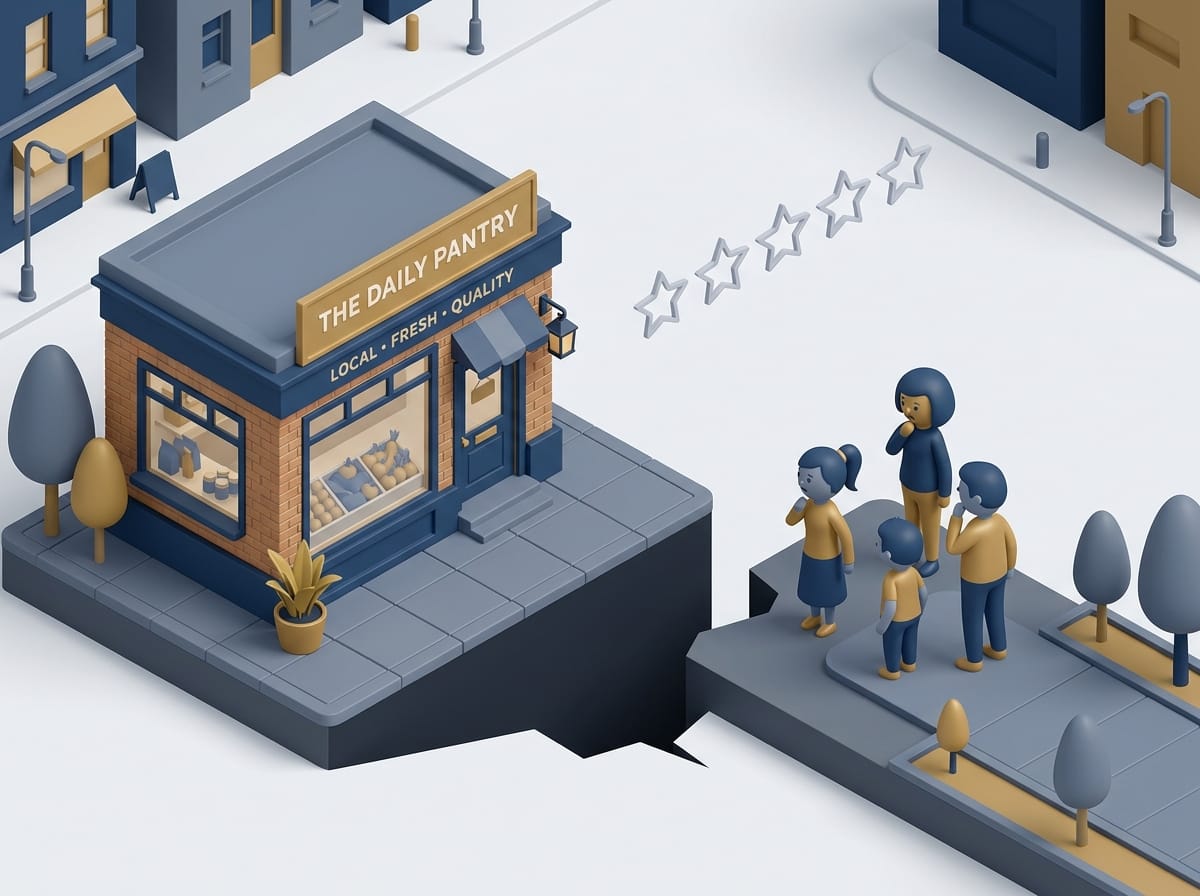
The "Trust Gap": If you have a great reputation but no digital proof, customers often assume the worst or simply choose the competitor who is more visible online.
While managing your reputation is essential, you don't need to break the bank on over-engineered enterprise software. See how a lean review management approach stacks up against expensive platforms in our direct comparison of RevuSend vs. the big guys.
The 3 Mistakes Small Businesses Make
I talk to many local owners who feel like online reputation management is too complex, too expensive, or just "not for them." Here are the three most common traps:
1. Waiting for reviews to happen: Most happy customers will never leave a review unless they are reminded multiple times. You have to make it easy for them to do it to.
2. Ignoring the process: Trying to manually email every customer is a recipe for burnout. And emails get lost in the promotion or spam folder.
3. Treating it as a "maybe": In the modern local economy, your reputation is either growing or shrinking. There is no middle ground.
We see these traps lead to lost revenue constantly—we’ve quantified exactly how much this costs a local shop. Learn how much it costs a business
The "Hidden Cost" of Inaction
Many business owners treat online reputation as a "nice to have"—something to address when they have a slow week. This is a dangerous misconception. In 2026, the cost of an inactive Google Business profile is quantifiable, and it is likely showing up on your P&L statement as "lost leads."
When your profile lacks fresh, authentic reviews, you are effectively invisible to the "Local Pack"—that prime real estate at the top of Google Maps. When a potential client searches for a service in our area, Google’s algorithm acts as a digital bouncer. It looks for recency, frequency, and sentiment. If your last review is from 2023, the algorithm assumes you are no longer the "best fit" for that user, regardless of how great your actual work is.
This creates a "Trust Vacuum." Customers today are conditioned to see a lack of digital activity as a lack of business viability. They don't just move to the next result; they often assume your business might have closed down or that you are too disorganized to handle their project. Every day your profile remains static, you are essentially gifting your leads to your more tech-savvy local competitors.
The 5-Minute Reputation Audit
You don't need expensive software to know where you stand. You can audit your digital footprint in under five minutes by following these three steps:
The Incognito Search: Open a new incognito window in your browser and search for your business by name and city. Look at the Google Business profile that appears on the right-hand side. What is the very first thing a stranger sees? Is it a glowing, recent review, or an old, unanswered complaint?
The "Recency" Check: Scroll through your last ten reviews. Are they from the current calendar year? If you have fewer than three reviews from the last six months, your "trust signal" is weak. Google favors consistent, ongoing feedback over a massive blast of reviews that stopped three years ago.
The Response Test: Read through your reviews and look at your replies. Did you thank the happy customers? More importantly, did you professionally address the negative ones? A business that engages with its customers—even when things go wrong—is perceived as more stable and honest than a business that ignores its feedback.
If you struggled with any of these steps, you are not alone. Most local owners know that they need reviews, but they lack a system to get them.
How to Automate Trust
The secret to a great reputation isn't working harder; it’s building a "human-first" system that handles the heavy lifting for you.
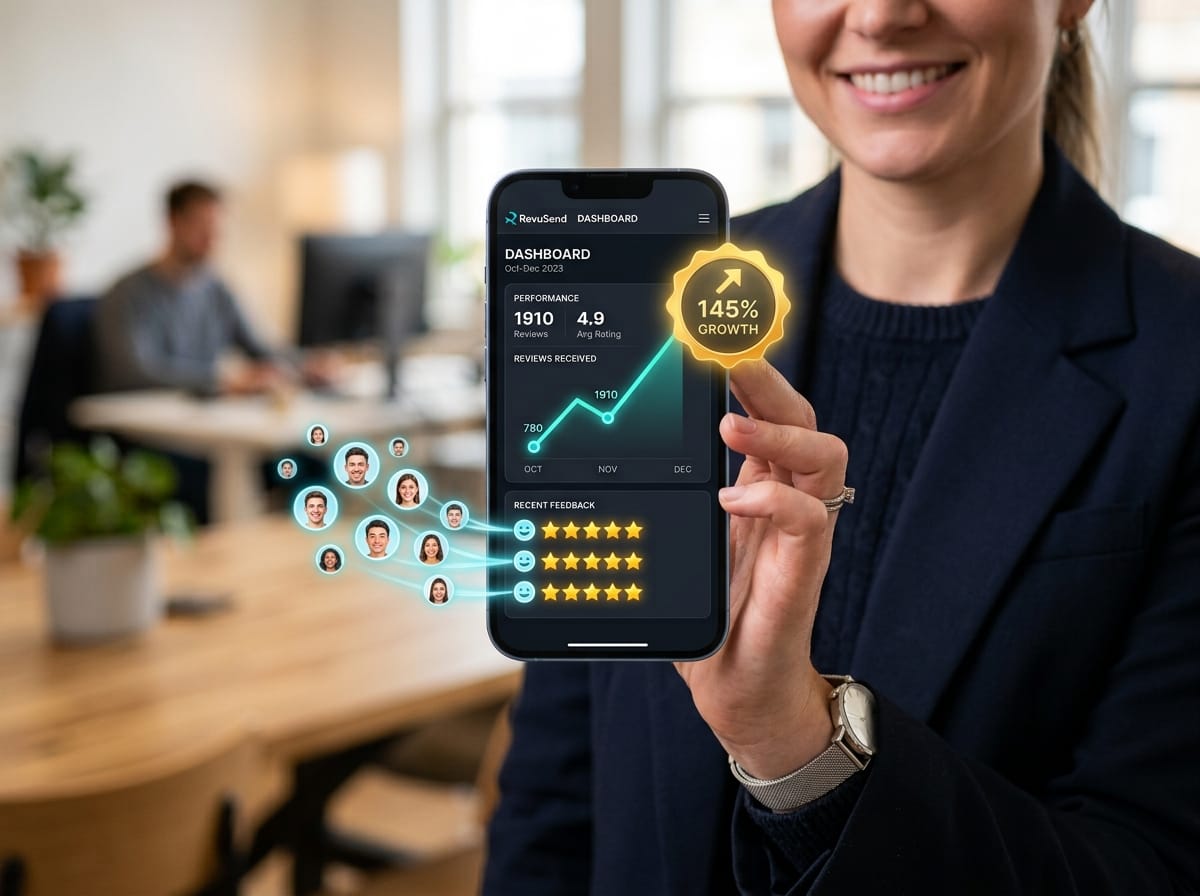
At Bright Stacker, I focus on helping rural businesses implement automated workflows—like the RevuSend system—that naturally encourage happy customers to share their experiences without you having to chase them down or pay for expensive, "big-guy" marketing agencies.
Automating this process doesn't make your business feel robotic. Instead, it frees up your time to focus on what you do best: serving your customers in person.
Reviews aren't just vanity metrics—they have a direct impact on your bottom line. We broke down the exact financial metrics in our analysis of how much a Google review is worth.
The "Human-First" Philosophy
Why are we so committed to a "human-first" philosophy in an age of AI? Because automation, when used incorrectly, creates a barrier between you and your customer. It creates a transactional "wall" that says, "I have finished my work, now give me your data."
A human-first system recognizes that a review is not data—it is a story. It is a reflection of a personal experience that occurred in a customer's home or place of business. When we build workflows that respect this, we don't just ask for a favor; we facilitate a conversation. This philosophy is based on three principles:
Respecting Time: A human-first system doesn't ping a customer at 8:00 PM on a Friday. It reaches out at the right time, in the right way, so the customer feels supported rather than pestered.
Authenticity Over Volume: We would rather you have ten reviews that highlight your integrity and craftsmanship than fifty reviews that all say "Great service." Authenticity converts, while volume often just looks like marketing noise.
Trust as a Long-term Asset: Automation is for the short term, but reputation is for the long haul. By choosing a system that facilitates genuine connection, you are building a digital asset that will pay dividends for your business for years to come.
Why Local Context Matters for Reputation
Reputation management is not one-size-fits-all. A roofing business in a high-density Texas suburb faces different competitive pressures than a landscaping firm in rural Minnesota. That is why we have moved beyond generic advice. We build specialized reputation workflows that account for the unique market landscape of your service area.
Ready to see how your business looks online?
You don’t need to be a tech wizard to dominate your local market. If you are ready to stop losing customers to competitors, grab my free Human-first Review Management System on the sidebar. Let's make sure your online digital reputation is as strong as your local one.
About the Author
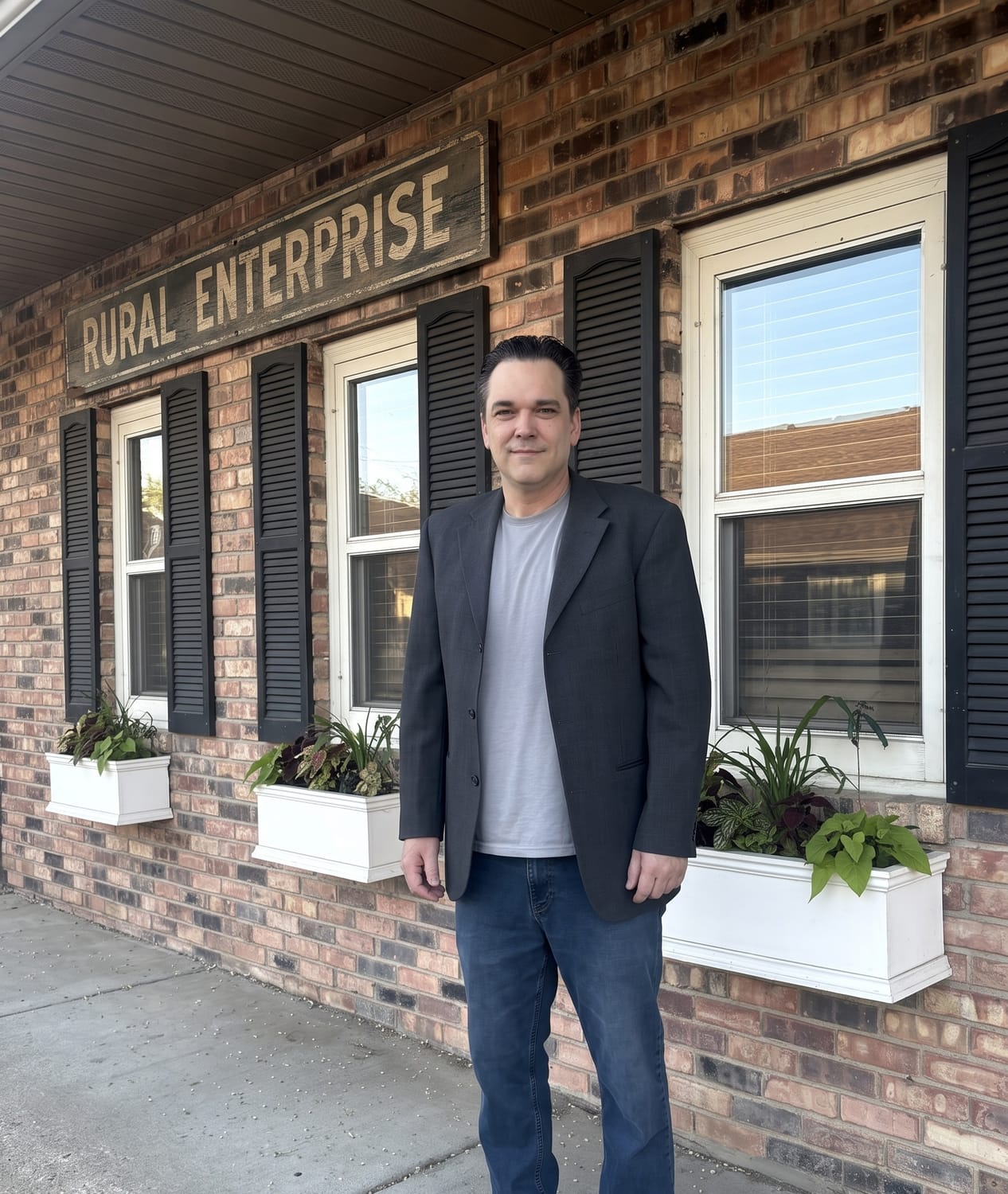
Bright Stacker is a venture studio led by a digital systems architect specializing in human-first automated workflows for small businesses. With a focus on building sustainable, passive business systems, the team behind Bright Stacker helps local service providers take control of their brand authority in an increasingly AI controlled landscape.
Our "Human-First" Philosophy
In an age of AI-driven marketing, we believe automation should support, not replace, human connection. A review is not just data—it is a story of an experience. When we build systems that respect this, we aren't just harvesting ratings; we are facilitating genuine conversations between local business owners and their neighbors. Our approach relies on three core tenets: respecting customer time by reaching out when it's appropriate, prioritizing authenticity over sheer volume, and viewing reputation as a long-term asset rather than a quick hack. By choosing a system that facilitates connection, you aren't just getting better Google numbers—you are building a lasting reputation that acts as a moat against competitors.
If you are curious about how our human-first approach is being implemented by local pros in your region, we have built a resource center dedicated to specific service territories. View our reputation strategies for your state here.
(FAQ) Frequently Asked Questions
Timing is everything. The best time to ask is immediately after the successful completion of a project, while the customer's satisfaction is at its peak. If they don't respond, a gentle follow-up one week later is standard practice.
Don't panic. A negative review is an opportunity to show your professional character. Respond quickly, acknowledge the issue without being defensive, and offer to resolve it. A thoughtful, human-first response to a negative review often builds more trust with future prospects than a five-star rating alone.
Yes. Every time you reply to a review, you are signaling to Google that your business is active and engaged. It also shows potential customers that you are appreciative and professional. Keep your responses personal—avoid generic "thanks for the review" messages whenever possible.
While those platforms have their place, your primary focus in 2026 should be Google. Most local search traffic and map-based decisions start and end with Google Business profiles. Master Google first, then expand if your specific industry demands it.
Human-First
Business Automation Solutions
About Bright Stacker
Bright Stacker is a Minnesota-based software and digital marketing company built specifically to help contractors, remodelers, and service technicians grow without the tech headache. We equip local businesses with simple, affordable tools to automate operations, capture more leads, and secure 5-star reviews.
From automated data syncing and reputation management to lead tracking and modern AI tools, our systems give local trade professionals the competitive edge they need to save hours of manual work and dominate their local market.
⭐ Love our services? Leave us a Google Review!
Scale Easier, Automate Your Local Authority & Attract More New Job Opportunities >>>
👷 Human-first business automation built for contractors and remodelers